
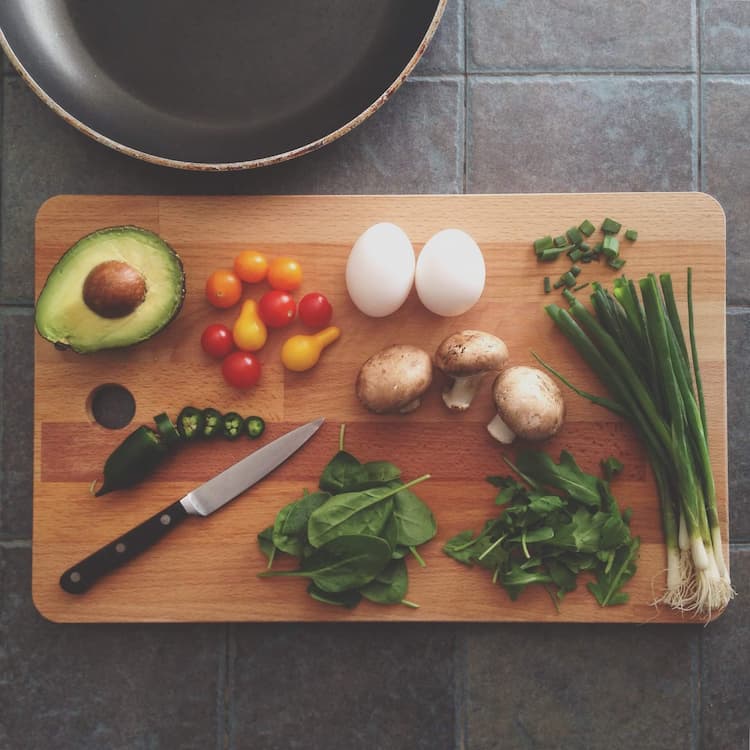
Dial a dinner draining your dough? Treasured togs feeling a bit tight? You are what you eat and when you don’t cook at home who knows what you are eating. Further, no secret here, you can eat at home for a fraction of the cost of the restaurant grub even the stuff at the corner pub.
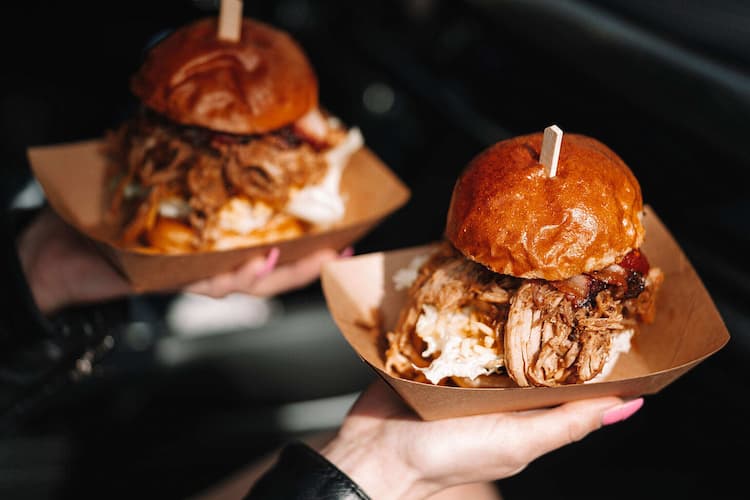
In the US, the average person spends five times more eating out than cooking at home according to the Bureau of labor Statistics. That five times more in dough is spread over the 5.9 times people, on average, dine out per week, says Zagat’s 2018 Dining Survey. While this info is four years old, reliable dining out patterns were hard to measure in the dreaded plague years.
The developing pandemic aftermath shows no dining out reduction. While much of the eats migrated to dining delivery services, eating at home showed no significant growth. In fact, Digital ordering and delivery have been growing 300% faster than dine-in traffic since 2014. And, increased prices have certainly had an impact. Really $22.95 for a burger? That’s a lot of cabbage. Made at home, using grass fed, organic, happy cow meat, and fancy deli buns you could make four quarter pound burgers on the grill for that amount of dough!
A feast prepared at home costs around $4 per serving depending on ingredients. That figure is a bit lofty. With preplanning and budget shopping $4 is easily reduced to $2-3. Bonus, you know exactly what’s in every morsel, in a general way. Our corporate farming ways have lead to questionable food output as shown in this informative Farm vs Factory comparison. However, a study done by American Cancer Society and the University of Illinois Chicago shows, Meals from full-service restaurants have an additional 205 calories, 2.5 grams of saturated fat, and 451 milligrams of sodium. Even with corporate farming practices, eating home is healthier. Try your best to source quality ingredients.
Ok, where to begin? The hardest part is getting a start. If your cooking repertoire consists of the level ‘yes, I can make toast’, cooking tasty, healthy, food at home seems like a monumental task. There’s the planning, the shopping, and what are you even supposed to buy? Fear not my friends. In this article we will go through four steps to set you up to make zippy food, to your taste and on your schedule, in a flash. Ok so definition of flash is subjective here. But really, you will grow to appreciate the benefits.
Your taste and eating frequency – understanding your preferred flavor and eating profile
If this proposed transformation is going to work at all, the process has to fit you, your lifestyle and your tastes. So take a moment and take stock of your eating habits. What types of food are your favorites? How often do you seek sustenance each day? Are you a breakfast lunch dinner type or eat a little here and a little there with an occasional larger repast? Do you love the fire and heat of Mexican, Indian or Thai? Maybe you are more comfort food, meat and potatoes if you will. Maybe exotic cuisines are fine, just dial down the spice. Maybe you are a combination of a bunch of stuff.
To figure your profile, step into your recent past and consider your last five to ten favorite dining experiences, or let’s be real the last time you grabbed a bite and said YUM. What was that food? What time of day did you enjoy these morsels? Do you eat alone or did / do you have a partner whom you share your eating time with? Answers to these questions will certainly point you in a general direction.
Planning – set up a week of eats in under an hour

With your general eating schedule and memories of tasty treats dancing in your head, now comes the fun part. What’s on your menu? Don’t go overboard. You’re not ready to make Paella or Croissants just yet. A good rule of thumb? Plan three main meals and figure on making extra so you can have leftovers for other eating times.
Here’s an idea for a whole week of meals with just one whole chicken. Roast the whole chicken. Use the leftovers to make chicken salad sandwiches or chicken fajitas, tacos or enchiladas. Don’t throw away the bones. Toss them in a big pot with some onions, carrots, celery and boil them covered in water for a few hours to make a nutritious delicious broth for a soup. Depending on how many people are eating, and the size of said chicken, one chicken is good for at least four feasts. The soup is just an added bonus. Another perk, with the stock, store in single serving portions and freeze for a quick meal when you don’t have time to cook anything else.
Roast a whole chicken?!? You say in disbelief. Really roasting is one of the easiest things to do. Duck Duck Go it (privacy matters). There are untold numbers of recipes for roast chicken. Take your pick. The hardest part? If you aren’t used to handling a whole chicken, the process can be a bit disconcerting. Once you have that down, it’s a matter of sprinkling a bit of spice, and popping the bird in a pre-heated oven for about an hour. Ding and done.
If the chicken idea doesn’t ruffle your feathers (really bad pun), no worries. Look up recipes of your favorite foods online. Find ones that don’t scare you out of the idea of cooking. Also think about what you have to cook with. You may need to get some pots and pans. Non-stick is easiest for clean up but no metal utensils. They will scratch the surface and ruin the pan. Also consider clean up. Do you have sponges and dish soap to wash up? Don’t forget dishwasher detergent if you have a dishwasher. Those multi-colored deals work great.
With your recipes and need for utensils like spatulas or tongs, pots and pans, clean up items together, make a list. Heres’ a pro tip, group the items on the list by type. IE fruits and vegetables, then dairy and cheese, follow with meats, beverages, and finally all the stuff that lives in the inside isles of the grocery store.
Shopping – tips to get you in and out in a flash spending the least amount of cash
Ok, so the grocery store can be a very intimidating place. First tip don’t shop at the busiest times if at all possible, especially the first few times. This will reduce stress considerably. Some of people’s worst behavior can be found in the grocery store. Second understand the layout of most grocery stores. As eluded to in the pro tip previously, fruits and vegetables, meats, and dairy are on the outside perimeter of the store. The isles vary from store to store however generally non-food items are grouped away from food items. Other than that, pick your favorite grocery store and learn the layout.

To save cash, avoid the deli and prepared foods in the freezer and isle sections. While as a new cook it is tempting to buy frozen entrees and meals in a box, they aren’t as good for you and tend to be more pricey. Then there’s the thing, the don’t taste nearly as good. Spoiler, the pictures on the front NEVER match the finished product.
Fruits and vegetables, beans, pasta, rice, and canned goods are the cheapest items. While, Meats proteins, dairy and junk food are more pricey. Spices are tricky and expensive. Look for the spices they sell in little bags with cardboard tops that hang usually obscured or difficult to find. Their hidden nature is not an accident. Purchased in the baggies like these the spices are much cheaper than the pretty glass spice bottles. Not only do they cost less, there is less of it. This is actually a benefit. Spices can loose their flavor over time. Remember to store spices away from sunlight. This increases their spice life.
Oils, vinegars certain condiments can up your bill. There are books written on different types of oils and when to use which. Good rule of thumb? Grab a good olive oil, not the most expensive, not the least and a vegetable oil like canola or corn. The vegetable oil can handle higher cooking temperatures. It is important to never allow your oil to smoke. The olive oil in combination with a nice vinegar and some spices, BOOM salad dressing. Duck Duck go it. Tons of great dressing recipes out there.
Speaking of salad dressings, pricey and usually added with loads of extra sugar and salt. Avoid. As mentioned above, whipping up a dressing takes no time. A favored recipe is a combination of 1 part honey, two parts lime. Shake it up add a little hot sauce if you want some heat and use on salads or fruit like papaya or mango.
Along with your recipe ingredients, don’t forget staple items. Bread, eggs, yogurt, oatmeal, butter, mayo, lunch meat, stuff for snacks, mustard and ketchup. You get the idea. Things you can grab even without a recipe and have food.
Work the Plan – head to the kitchen with confidence
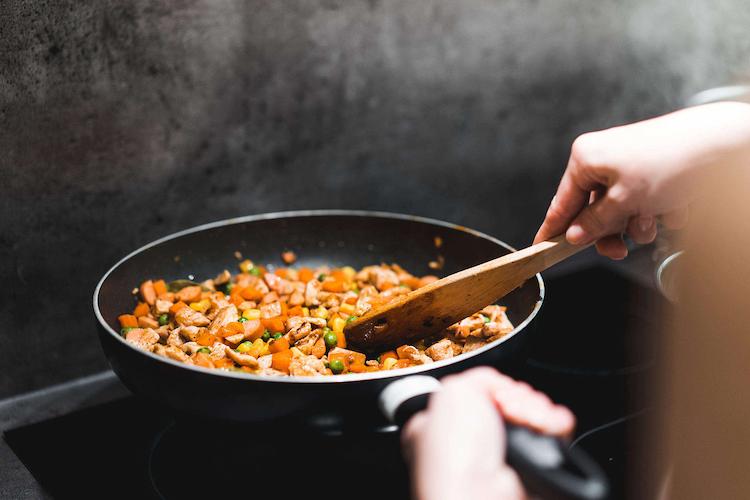
The time has come, the time is now, to the kitchen to COOK! Whatever that time ends up being for you, make sure you’re relaxed. Turn on your fav tunes and take a couple deep breaths. Pull your recipe up on your phone and gather and prepare all of the items for the recipe before you even turn on the stove. Preheating the oven, that’s different. But nothing is worse than being elbow deep in carrying out the intricacies of a recipe to realize OH CRAP, I don’t have chopped cilantro, or whatever.
Also grab the serving plates, or whatever you are going to use to put the food on after it is done cooking. Again a stress reducer. Best to have everything at hand. Now you’re good to go. Follow the instructions on the recipe and put the thing together.
In Closing
The more you do this, the easier it gets. You’ll pick up your own style in no time. Planning, shopping, and executing all becomes second nature. You will begin to wonder why you ate out at all!
 ALT Food Creations